
Whiskies like Johnnie Walker Blue Label
Products on sale
-
 Turbocharger Whiskey Decanter
- Regular price
- $42.99
- Sale price
- $42.99
- Regular price
-
$56.99 - Unit price
- per
Sold out -
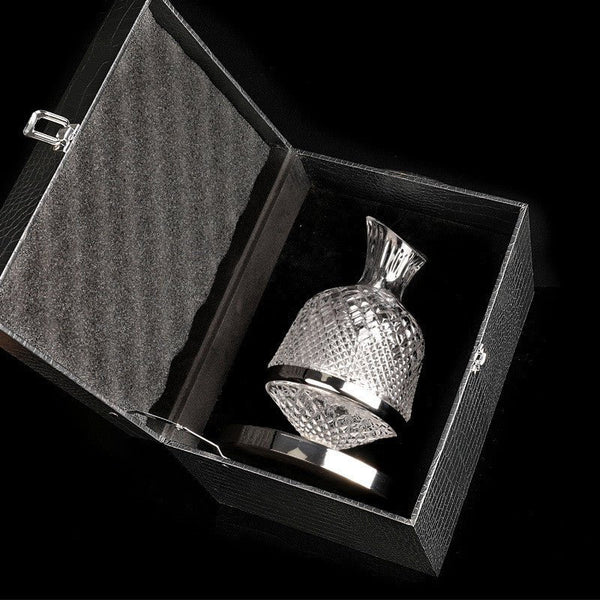 Crystal-cut Rotating Decanter
- Regular price
- from $119.81
- Sale price
- from $119.81
- Regular price
-
$160.00 - Unit price
- per
Sold out -
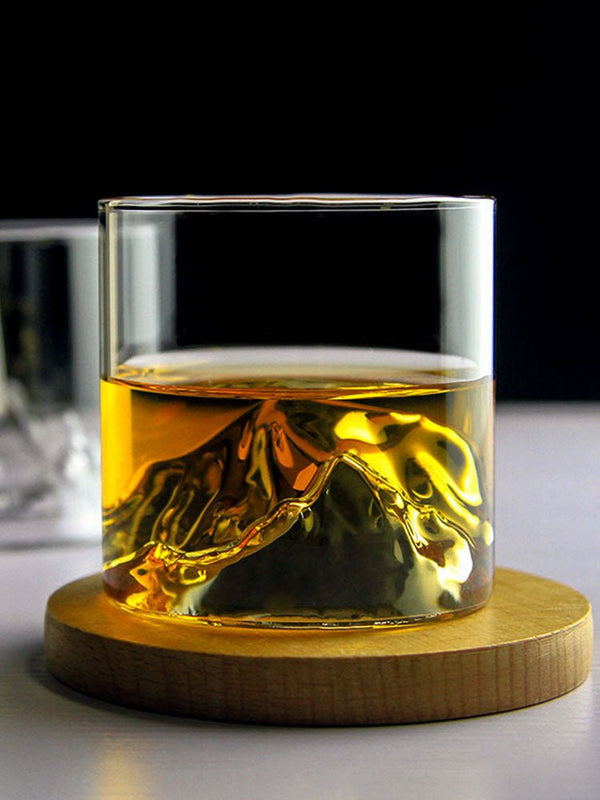 Japanese Whisky Glass
- Regular price
- from $24.99
- Sale price
- from $24.99
- Regular price
-
- Unit price
- per
Sold out

The best Blue Label alternatives for every budget
You love the idea of Johnnie Walker Blue Label. The elegant bottle. The rich, silky whisky. The quiet flex when you put it on the table.
You might not love the price.
If you are searching for whisky like Blue Label or smart Blue Label alternatives you are really looking for two things. A similar flavour experience and a bottle that still feels special when you pour it for friends or line it up on the bar cart.
This guide walks through what makes Blue Label tick then shows you whiskies that taste similar, feel just as premium or give you 80% of the experience for half the money.
What makes Johnnie Walker Blue Label special
Blue Label is a luxury blended Scotch. That matters. It is not a single malt. It is a blend of malt and grain whiskies from a range of distilleries designed to taste smooth, rich and effortless.
The typical Blue Label profile looks something like this:
- Very smooth texture with almost no harsh edges
- Sweet notes of honey, caramel and dried fruit
- Gentle smoke rather than big campfire peat
- Fine oak, spice and a touch of dark chocolate on the finish
If you strip away the branding that is the key. You want a whisky that is silky, slightly smoky and luxuriously rounded. The good news is you do not always need Blue Label itself to get that experience.
How to choose a whisky like Blue Label
When you are hunting for Blue Label alternatives keep three questions in mind.
How smooth do you need it to be
Blue Label is famous for being easy to drink. It is built for people who want flavour without burn. If you want something similar:
Look for blends and single malts with words like rich, smooth, elegant, sherry cask or double cask on the label. These are usually aged in casks that round off the edges and add sweetness.
How much smoke is enough
Blue Label has smoke but it is subtle. If you like that balance stay away from hardcore peat monsters and look at Speyside, Highland and refined blends with a whisper of smoke in the tasting notes.
What are you really paying for
With Blue Label you pay for rarity, branding and packaging as much as liquid. Some alternatives give you similar or better liquid in less flashy packaging. Others lean hard into the prestige and glassware experience.
So decide if you want a close flavour copy, a better whisky for the same money or something cheaper that still feels special in a decanter.
Best Blue Label alternatives if you like blended Scotch
If you enjoy the whole idea of a premium blend these whiskies are closest to Blue Label in spirit.
Johnnie Walker XR 21
Think of XR 21 as Blue Labels cousin that went to a different private school. It is a 21 year old blend inspired by an old recipe from Sir Alexander Walker and it leans heavily into sherry cask richness.
You get honey, toffee, orange peel and soft smoke. It feels expensive in the glass and the packaging looks the part. If you want whisky like Blue Label but slightly more defined and grown up XR 21 is a strong pick.
Chivas Regal 18
Chivas 18 is one of the classic why is this not in more conversations bottles. It is a blended Scotch with a lush texture and a flavour profile that overlaps Blue Label quite neatly.
Expect dark chocolate, dried fruit, orange marmalade and soft oak. There is the lightest hint of smoke but nothing that will scare a Blue Label fan. It pours beautifully into a heavy tumbler or a cut crystal whisky glass and the price is usually well under Blue Label.
Royal Salute 21
If you want an alternative with serious gift appeal Royal Salute 21 is perfect. It arrives in a ceramic flagon that screams ceremonial occasion and the liquid inside is rich, sweet and refined.
The style is more sherry and fruit forward than Blue Label with notes of stewed apple, toffee and spice. The smoke is very gentle. For someone who loves Blue Label but also loves presentation this is a clever switch.
Ballantines 17
Ballantines 17 has been quietly impressing whisky geeks for years. It is an older blend with a graceful mix of honey, heather, oak and soft smoke.
Compared to Blue Label it feels a touch drier and more herbal yet the same smooth and well polished character is there. If you want something that feels grown up and complex Ballantines 17 is a smart move.
Dewars 18
Dewars 18 is often overlooked in the luxury blend chat which makes it great value. It is light, creamy and layered with vanilla, citrus and gentle spice.
If you enjoy Blue Label for easy sipping rather than smoke this sits in a similar pocket. It works neat in a good whisky glass, over ice in summer and even in an elevated highball.
Single malt alternatives that scratch the Blue Label itch
Maybe you like the Blue Label profile but you want to step into single malt territory. These bottles are not identical but they scratch the same itch of rich, rounded and slightly indulgent sipping whisky.
Glenfiddich 18 Year Old
Glenfiddich 18 is like a Speyside translation of the Blue Label idea. It is aged in a mix of Oloroso sherry and bourbon casks which builds layers of dried fruit, baked apple, vanilla and oak.
The texture is smooth and oily. There is little smoke yet the overall impression is similar to Blue Label in pure drinkability. It looks the part on a shelf and makes a strong special occasion pour.
The Glenlivet 18 Year Old
The Glenlivet 18 pushes more into oak and spice with a backbone of pear, apple and toffee. It is refined rather than aggressive and works well for people who like Blue Label but want a touch more grip.
In a tasting line up this often impresses fans of classic blends. It has that familiar polished style yet brings the extra character you expect from a mature single malt.
The Dalmore 15 or 18
Dalmore lives in the world of dark chocolate, orange and rich sherry influence. The 15 and 18 year expressions are both thick, sweet and decidedly luxurious.
Smoke is minimal yet the cask work provides depth. If you love the richness of Blue Label and want to push further into decadent territory Dalmore is a natural step.
The Macallan Double Cask 15 or 18
Macallan is often priced above Blue Label yet the Double Cask range deserves a mention because this is exactly the sort of liquid people expect when they pay luxury prices.
Think sultanas, vanilla, orange zest and gentle oak. Blue Label drinkers who are curious about top shelf single malt often find Macallan familiar enough to enjoy yet interesting enough to feel like a new universe.
Japanese and world whisky alternatives to Blue Label
If you like Blue Label for its smoothness and subtlety Japanese and modern world whiskies can feel like natural upgrades.
Hibiki Japanese Harmony
Hibiki Harmony is a blended Japanese whisky that lives in the same conceptual space as Blue Label: balanced, elegant and built for pure drinking pleasure.
It is lighter in body yet full of delicate notes. Expect honey, orange peel, blossom and soft oak. There is almost no smoke. If you want a Blue Label alternative that feels more refined and modern Hibiki is a great move.
Yamazaki 12 Year Old
Yamazaki 12 is not cheap. In some markets it is more expensive than Blue Label. Yet in terms of experience it gives you that same quiet luxury feeling.
You get soft stone fruit, vanilla, coconut and incense like oak. It is smooth without being boring and pairs brilliantly with calm evenings and good glassware. For collectors and serious sippers it is an impressive alternative.
Nikka From The Barrel
Nikka From The Barrel is the disruptor on this list. It is a blend of malt and grain whisky bottled at a higher strength in a simple blocky bottle that looks great on a minimalist bar.
Compared to Blue Label it has more punch and spice yet when you add a splash of water you get waves of caramel, dried fruit and toffee. It is for people who like Blue Label but secretly wish it had a little more attitude.
World blends and indie bottlers
There is a growing category of world blends and independent bottlers who do for whisky what Blue Label did decades ago. They source quality component whiskies and blend them for texture, balance and flavour rather than just chasing an age statement.
Look out for respected names in your local market. The value can be outstanding and you might find a house blend that becomes your personal Blue.
Budget friendly Blue Label alternatives that still feel special
Not every occasion needs a prestige label. Sometimes you just want a whisky like Blue Label in vibe without the luxury tax.
Johnnie Walker Black Label
Obvious choice but worth stating. Black Label is not Blue Label yet the family resemblance is there. It is a 12 year old blend with smoke, sweetness and enough depth to sip neat.
If you decant it into a handsome whisky decanter and pair it with proper glasses most casual drinkers will be very happy. It is a strong everyday stand in that costs a fraction of Blue.
Chivas Regal 12 or 13
Chivas 12 and 13 offer that same polished blended style with honey, orchard fruit and soft oak. They may not have the depth of Blue Label yet they are hugely drinkable and look good on the table.
For parties or casual dinners these are sensible Blue Label alternatives that your wallet will appreciate.
Monkey Shoulder
Monkey Shoulder is a blended malt built from Speyside single malts. It is lighter and more playful than Blue Label with vanilla, malt and gentle spice.
As a neat pour it is easy going. In cocktails it shines. If you like the smoothness of Blue Label but want something more relaxed and modern for mixing Monkey Shoulder is an excellent choice.
How to serve whisky like Blue Label for maximum effect
Part of the Blue Label experience is ritual. The way the bottle looks. The weight of the glass. The quiet ceremony when you pour.
Use proper glassware
A good whisky glass makes almost any Blue Label alternative taste better. Look for glasses with a bit of weight and a shape that focuses aroma. Tulip shaped whisky glasses work well. Heavy tumblers also work if you like a more classic feel.
Think about your pour and setting
Pour slightly smaller measures than you would with everyday whisky. Let people nose the whisky first. Add a few drops of water or a single clear cube of ice if needed.
Blue Label is often associated with slow evenings, quiet conversation and big decisions. If you mirror that mood with your alternative people will focus more on the experience than the label.
Decanters and display
If you want to remove brand bias entirely decant your Blue Label alternatives into quality whisky decanters and let guests choose based on colour and aroma. It turns a line up of alternatives into a fun tasting rather than a straight comparison.
Which Blue Label alternative should you try first
If you are lost in choice here is a quick way to decide where to start.
If you want closest possible match
Reach for Johnnie Walker XR 21, Chivas Regal 18 or Royal Salute 21. These blends carry similar polish with their own twist.
If you want to step up in complexity
Look at Glenfiddich 18, The Glenlivet 18, Dalmore 15 or Macallan Double Cask. They keep the smooth, rich style but add more personality.
If you want something stylish and modern
Try Hibiki Harmony or Nikka From The Barrel. They feel like Blue Label alternatives reimagined for a new era.
If you want value for money
Start with Johnnie Walker Black Label, Chivas 12 or Monkey Shoulder in a good glass. Spend the savings on decent snacks and nice company.
Frequently asked questions about whisky like Blue Label
Is anything really the same as Blue Label
No whisky is a perfect clone of Blue Label. It is a specific blend using specific component whiskies that only Johnnie Walker has. What you can find is whisky that hits similar notes of smoothness, gentle smoke and richness at different price points.
Are Blue Label alternatives always cheaper
Not always. Some single malts and luxury blends cost as much or more than Blue Label yet give you a different take on the luxury experience. Others are dramatically cheaper and still feel special. It depends whether you are optimising for price, flavour or prestige.
Do Blue Label alternatives taste worse
Not by default. Some alternatives are simpler and lighter. Some are more complex and layered. Taste is subjective. Many whisky fans actually prefer certain alternatives to Blue Label once they taste them side by side.
Should I buy Blue Label or an alternative as a gift
If the recipient loves brands and has talked about Blue Label specifically then the original is a safe gift. If they are more interested in flavour or enjoy trying new things a well chosen alternative like Royal Salute, Chivas 18 or a good 18 year old single malt can feel more thoughtful and interesting.
Can I mix a Blue Label alternative in cocktails
You can. For highballs a smooth blend like Chivas 12, Black Label or Monkey Shoulder works very well. For old fashioned style drinks a richer option like Dalmore or Glenfiddich 18 can be fun. Many people prefer to drink these neat though so start by tasting them straight.
The bottom line on whisky like Blue Label
Whisky like Blue Label does not need to carry the same label to deliver the same feeling. If you focus on smoothness, gentle smoke, rich sweetness and a sense of occasion you can find brilliant Blue Label alternatives at almost every price point.
Pick a bottle that fits your budget, pour it into proper glassware and create your own ritual around it. In the end the memories you make with the whisky matter more than the words printed on the box.