
Types of Whisky Glasses: Which One to Use, and When
Products on sale
-
 Turbocharger Whiskey Decanter
- Regular price
- $42.99
- Sale price
- $42.99
- Regular price
-
$56.99 - Unit price
- per
Sold out -
 Crystal-cut Rotating Decanter
- Regular price
- from $149.95
- Sale price
- from $149.95
- Regular price
-
$160.00 - Unit price
- per
Sold out -
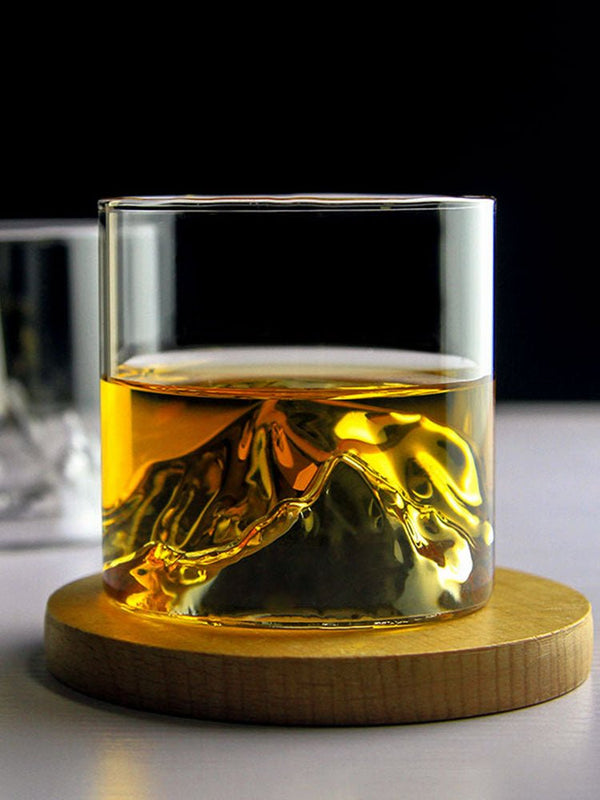 Japanese Whisky Glass
- Regular price
- from $24.99
- Sale price
- from $24.99
- Regular price
-
- Unit price
- per
Sold out


By the VeryWhiskey team · Updated 31 October 2026
There are more types of whisky glass than most people will ever need, and the names don't help. A rocks glass, a lowball and an old fashioned glass are the same thing. And a tilted glass mostly exists so your mates ask about it.
Here's what each glass does, when to reach for it, and whether the shape really changes the taste. Prices are in Australian dollars.
The short answer. Drinking it neat and want to smell everything? Use a tulip-shaped nosing glass. Drinking it on ice? A heavy tumbler is perfect. Adding soda? Grab a highball. Beyond that, it comes down to what you enjoy holding.
How we chose. Every glass we recommend is one VeryWhiskey stocks. We don't sell a tulip nosing glass, a snifter or a highball, so we explain those without pushing a product. "Best for" labels are editorial picks, not test results. Prices were checked on 31 October 2026.
On this page
- Whisky glass types at a glance
- Tulip or nosing glass
- Tumbler, rocks or old fashioned glass
- Japanese-style glasses
- Snifter
- Highball glass
- Novelty, angled and cigar glasses
- Do whiskey glasses make a difference?
- Thick or thin glass
- Crystal or glass
- Which glass to buy
- Caring for your glasses
- FAQ
Whisky glass types at a glance
Six styles cover almost every way people drink whisky. Here's how they compare.
| Glass | Shape | Best for | Neat or ice | Nosing |
|---|---|---|---|---|
| Tulip (Glencairn-style, copita) | Rounded bowl, narrow mouth | Tasting single malts and new bottles | Neat, or with a few drops of water | Excellent |
| Tumbler (rocks, old fashioned) | Straight sides, heavy base, wide mouth | Everyday pours, ice, Old Fashioneds | Both; best with ice | Fair |
| Japanese-style | Small and fine, often cut or textured | Slow neat sips, small pours | Mostly neat, or one cube | Fair to good |
| Snifter | Wide balloon bowl, short stem | Older, gentler whiskies (and brandy) | Neat | Good, but traps alcohol vapour |
| Highball | Tall and narrow | Whisky and soda, mixed drinks | Ice, always | Poor (not the point) |
| Novelty and angled | Tilted bases, cigar rests, double walls | Gifts, fun, swirling | Depends on the design | Varies |
Tulip or nosing glass: Glencairn-style and copita
This is the glass you'll see at distillery tastings. A rounded bowl gives the whisky room to swirl, then the sides curve in to a narrower mouth. That narrowing gathers the aroma and points it at your nose instead of letting it drift off.
The best-known version is the Glencairn, a short-based tulip designed in Scotland for whisky. The copita is its older cousin from the sherry trade, on a proper stem that keeps your hand off the bowl. Blenders still use copitas to nose samples.
Two catches. A narrow mouth concentrates alcohol vapour too, so a cask-strength whisky can sting; sniff gently with your mouth slightly open, or add a few drops of water. And there's no room for ice.
We don't stock a tulip glass at the moment. If you taste a lot of new bottles, one is worth owning alongside your everyday glasses. If you like the idea of a nosing glass shaped more like a tumbler, the Norlan is the famous example, and our guide to Norlan whisky glass alternatives looks at other options.
Tumbler, rocks or old fashioned glass
Rocks glass, lowball, old fashioned glass, whisky tumbler: it's all one family. Short, straight sides, a wide mouth and usually a heavy base. A "double old fashioned" is the bigger version.
This is the glass for whisky on the rocks. The wide mouth takes a big cube or an ice ball, the heavy base shrugs off a bit of clinking, and there's space to stir an Old Fashioned in the glass. It's also hard to knock over and easy to wash.
Where it falls short is nosing. The wide opening lets aromas spread out before they reach you. With ice in the glass that matters less, because cold whisky gives off less aroma anyway.
Hate dilution? Whisky stones chill without watering the drink down, though not as cold as ice. Stones and moulds are in our ice and chilling range.

Best everyday tumbler
Classic whiskey glass
A$24.95
The no-fuss option, and one of the least expensive glasses we sell. Plain glass that handles a neat pour, a couple of cubes or a quick Old Fashioned, and the listing says it's dishwasher safe.

Best for cut-glass looks
Patterned Whiskey Glass
A$26.95
A cut-pattern tumbler for people who like their glass to catch the light. Four designs: Ice Flower, Glacier, Striped or Diamond. The listing gives a capacity of 201 to 300 ml.

Best for a bigger pour
Prism Whiskey Glass
A$36.00
A 320 ml tumbler with a prism-cut pattern, so there's space for a decent pour over a large ice ball. The listing says it can go in the dishwasher, though hand washing keeps cut glass sparkling for longer.

Best for on-the-rocks drinkers
Whisky Ice Ball Mold
A$24.99
One big ice sphere melts more slowly than a handful of small cubes, so the drink chills with less watering down. BPA-free silicone, dishwasher safe, in blue, pink or white. Check the listing for the sphere size.
Japanese-style whisky glasses
Japan has its own whisky glass habits. Many Japanese-style glasses are smaller and finer than a Western tumbler, and some carry hand-cut patterns in the Edo kiriko tradition. They suit a slow neat pour or a single cube. Taller glasses come out for the mizuwari (whisky with water and ice) and the highball, both hugely popular in Japan.

Best for neat sipping
Japanese Whisky Glass
From A$24.99
A smaller, more delicate glass that the listing describes as lead-free crystal. Designs include Tibetan Mountain, New Transparent, Classic Transparent and Flower. Each option is a single glass unless it says 2pcs; the two-glass sets run from A$49.00 to A$52.99.
Snifter
The snifter is the brandy balloon: a wide bowl on a short stem, narrowing at the top. It's made to be cupped in your palm so your hand gently warms the drink.
That works for brandy and can suit an older, softer whisky. For most whisky, though, the bowl pushes a lot of alcohol vapour at your nose, and warming makes it stronger. If you own snifters, save them for a gentle dram and hold them by the stem. We don't sell them.
Highball glass
Tall, narrow and built for ice. The highball is for whisky with a mixer: a measure of whisky, plenty of ice and cold soda water, roughly one part whisky to three or four parts soda. The narrow shape helps the bubbles last, and it's the right glass for a Japanese-style highball or a whisky and dry.
We don't stock highball glasses. If you're kitting out for mixed drinks, our home bar essentials guide is a good place to start.
Novelty, angled and cigar glasses
Not every glass has to be a tasting tool. Novelty glasses are about fun and gifting. Tilted glasses sit on a slanted base that encourages a swirl. Cigar glasses add a rest on the rim so the cigar sits right beside the drink. Double-walled designs such as the Norlan try to combine a tumbler's feel with some of a nosing glass's focus (more in our Norlan alternatives guide).
To be straight with you: a novelty shape won't make the whisky better. Buy one because you like it.

Best conversation starter
Tilted whiskey glass
A$24.00
Lead-free crystal on a slanted base made for swirling. It sits at an angle on the table, which is exactly the point. A good gift for someone who already owns plain tumblers.

Best for cigar smokers
Whisky Cigar Glass
A$32.99
A whisky glass with a built-in cigar rest on the rim, so the cigar has somewhere to sit between sips. It comes in three designs (A, B and C); check the listing to see what each looks like. Pair it with a cutter from our cigar accessories.
Do whiskey glasses make a difference?
Yes, but mostly to the smell, and smell does most of the work. Your tongue picks up sweet, salty, sour, bitter and umami. The rest of what we call flavour (vanilla, smoke, dried fruit, citrus) is aroma, reaching you through your nose and from the back of your mouth as you swallow.
So a glass that collects aroma and delivers it to your nose does change how a neat whisky comes across. Pour the same dram into a tulip and a wide tumbler and the tulip will usually give a more detailed nose. The tumbler isn't ruining anything; it just lets the aroma go before you catch it.
The difference shrinks once the drink is cold. Ice dulls aroma and dilutes the whisky, so for a dram on the rocks a good tumbler is the right tool and a nosing glass adds little. In a highball, the soda and ice do the talking.
Some claims go too far. The idea that a rim "directs whisky to different parts of your tongue" rests on the tongue map, which is a myth: every part of the tongue picks up every basic taste. And no glass turns an ordinary whisky into a great one.
Whatever the glass, these help more: give the whisky a minute, swirl gently, sniff with your mouth slightly open, and add a few drops of water to anything strong.
Thick or thin: does the rim matter?
It's mostly about feel, and both have their place.
A thin rim gets out of the way. The whisky flows onto your tongue in a smooth stream and the glass feels light and delicate, which is why tasting glasses tend to be thin. The trade-off: thin glass chips more easily and is less happy in a dishwasher.
A thick rim and heavy base feel solid. They cope with rattling ice, the odd knock on the bench and nightly washing, which is why most tumblers are built heavy.
One claim to ignore: that thick glass keeps your whisky warmer. There's no good reason to expect a noticeable difference over the few minutes a dram lasts. If you want to stop your hand warming the whisky, hold a stemmed glass by the stem.
The simple rule: thin for slow neat sipping, thick for ice and everyday use.
Crystal or glass, and is lead crystal safe?
Three materials turn up in whisky glasses:
- Everyday glass (soda-lime): tough, affordable and usually dishwasher-friendly. Most tumblers are made of it.
- Lead crystal: traditional crystal with lead oxide added. It's heavy, very clear and easy to cut into sparkling patterns.
- Lead-free crystal: swaps the lead for other minerals to get crystal's clarity and ring. Our Tilted whiskey glass and Japanese Whisky Glass are listed as lead-free crystal.
Is lead crystal safe? For the time it takes to enjoy a dram, it's generally considered low risk. The concern is storage: spirits left in lead crystal for weeks or months can draw lead out of the glass. So don't keep whisky in a lead crystal decanter long term. If you're weighing up a decanter as well, read our guide on whether a whisky decanter is worth it.
Which whisky glass should you buy?
Most people need two glasses at most: one for neat, one for ice.
- Mostly neat, often trying new bottles: a tulip nosing glass, plus a small fine glass like the Japanese Whisky Glass (from A$24.99) for relaxed sipping.
- Mostly on the rocks: a solid tumbler such as the Classic whiskey glass (A$24.95) or the Prism Whiskey Glass (A$36.00), with an ice ball mould (A$24.99).
- Old Fashioneds and stirred drinks: a wide tumbler. The Patterned Whiskey Glass (A$26.95) looks the part.
- Whisky and soda: a highball glass.
- Cigar nights: the Whisky Cigar Glass (A$32.99).
- A gift: the Tilted whiskey glass (A$24.00) always gets a reaction. For more ideas, see our Christmas gifts for whisky lovers.
You can browse all six in our whisky glasses collection.
How to care for whisky glasses
- Wash soon after use in warm water with a small drop of unscented detergent. Strongly scented detergent and leftover film can mask aroma.
- Rinse well, then dry with a lint-free cloth. A soft brush helps with cut-glass grooves.
- Check the listing before using the dishwasher. Our classic and prism glasses are listed as dishwasher safe, but hand washing is gentler on cut patterns and thin rims.
- Avoid sudden temperature changes, like hot water into a glass straight from the freezer. That's how glasses crack.
- Store glasses upright in a closed cupboard. The rim is the most fragile part, and glasses stored upside down on a shelf can pick up musty smells.
Whisky glass FAQ
What is the best glass for whisky?
It depends how you drink it. For neat whisky and tasting, a tulip-shaped nosing glass concentrates the aroma. For whisky on ice, a heavy wide-mouthed tumbler is better. For whisky and soda, use a tall highball glass.
Do whisky glasses make a difference to the taste?
Yes, mainly through aroma. A glass with a narrower mouth collects the smell and directs it to your nose, which makes a neat whisky seem more detailed. With ice or a mixer the difference is small, so a good tumbler or highball is fine.
Should whisky glasses be thick or thin?
Thin rims feel finer and suit slow neat sipping. Thick, heavy glasses are sturdier and better for ice and everyday use. Thickness doesn't change the whisky itself, so choose for feel and for how you'll use the glass.
What glass do you use for whiskey on the rocks?
A rocks glass, also called an old fashioned glass or tumbler. Its wide mouth fits a large cube or ice ball, and a large sphere melts more slowly than small cubes, so the whiskey waters down more slowly.
Is lead crystal safe for whisky?
Drinking a dram from a lead crystal glass is generally considered low risk. Storing whisky in lead crystal for long periods is not recommended, because spirits can draw lead out of the glass over time. Lead-free crystal avoids the question.
More guides for whisky drinkers
- Norlan whisky glass alternatives
- Why use a whiskey decanter?
- Home bar essentials
- Christmas gifts for whisky lovers
About VeryWhiskey
VeryWhiskey curates glassware, decanters and bar accessories for whisky drinkers.